top of page
Ephesus Ancient City
Slavery in Ephesus Timeline Across Six Periods

The institution of slavery was an ever-present shadow behind the architectural grandeur and cultural achievements of Ephesus, evolving significantly as the city transitioned through different eras of power. From the early Anatolian influences where temple slavery supported the sacred Artemision, to the peak of the Roman period when Ephesus became a notorious hub for the Mediterranean slave trade, the lives of the enslaved were woven into the city's very fabric. This timeline explores how slavery shifted from a ritualistic and civic necessity into a massive commercial engine, and eventually, how it adapted under the emerging social ethics of the Byzantine and Christian eras.
Ephesus in the Archaic Backround

In the Archaic/Classical background, slavery in Ephesus was already tied to the basic hierarchy of society. Coerced labor could be used where long-term effort and steady work were needed; especially in agricultural production and household economies. Even when Ephesus was not yet the monumental city later periods are known for, inequality and forced labor still formed part of how work was organized.
Arwaza Kingdom Period

During the Arwaza Kingdom period, slavery reflected how regional authority managed people and resources. Forced or dependent workers could be assigned based on the priorities of powerful groups; supporting production, service, and the maintenance of households. In this era, slavery functioned as a tool for stability: a way to ensure labor supply where political control demanded it.
Greek–Hellenistic Period Ephesus
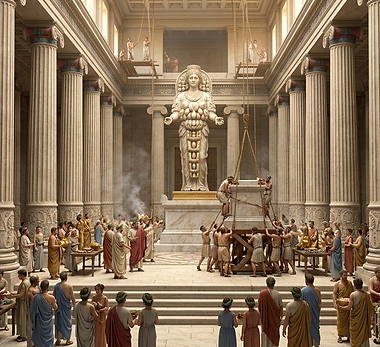
In the Greek–Hellenistic period, slavery became more visible in the everyday operations of city life. Enslaved people could be found in household work as well as in roles connected to workshops, skilled production, and commerce. As urban routines grew more complex, labor systems became more structured, and the presence of enslaved workers helped sustain the economic tempo of Ephesus.
Lydian Period Ephesus
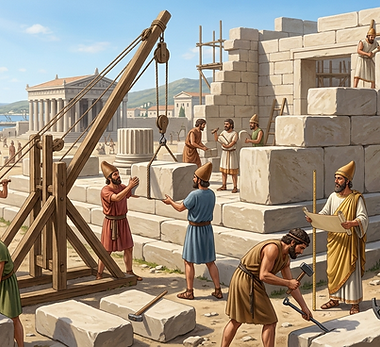
In the Lydian period, expanding wealth and trade likely increased the demand for labor in Ephesus. More economic activity meant more tasks that required continuous management from domestic production to service work and workshop output. As inequality widened alongside prosperity, coerced labor became a more common support behind the scenes of an increasingly active urban environment.
Roman Period Ephesus

In the Roman period, slavery supported both private needs and large-scale urban functioning. Ephesus’s growth required steady labor for maintenance, production, transport, and public services. Enslaved workers filled roles that kept the city running efficiently, from household service to skilled labor linked to the economy. Roman urban life made dependence on coerced work easier to recognize; because the city’s scale demanded constant workforce support.
Byzantine Period Ephesus

In the Byzantine period, slavery continued to be part of social and economic life, even as institutions, legal thinking, and religious ideas shaped society. Coerced labor remained connected to household production and labor dependency within local systems. Over time, the details of slavery could shift, but hierarchy and unequal access to freedom persisted. In Ephesus, forced work remained one of the mechanisms through which people’s livelihoods were managed.
bottom of page